Best time to visit Dillon Beach Resort — month by month
The best time to visit Dillon Beach Resort depends on what you want: for the clearest, warmest coastal weather choose September–October (late summer/fall), while June–August is cooler and foggier but good for summer activities and bioluminescence kayak tours. Winter (Dec–Feb) is for whale watching and quieter beach walks; spring is variable but can work well for lower crowds and hikes.
In this guide
- Overview — what to expect month by month
- Winter (December–February): wildlife and quiet beaches
- Spring (March–May): variable weather, good hiking windows
- Summer (June–August): activity season with marine layer
- Fall (September–October): clearest, warmest coastal weather
- November: crab season and shoulder-season tradeoffs
- Practical travel tips: rooms, dining, pets, and logistics
Overview — what to expect month by month
Dillon Beach Resort sits on an almost mile-long private beach on the Marin coast and experiences a strong marine influence: cool summers with frequent fog, the warmest and clearest weather in early fall, a rainy winter, and a variable spring.
Use your priorities to pick months: clearer skies and warmer daytime temps typically arrive in September and October, while summer offers daytime activity options despite morning fog. Winter brings marine wildlife viewing and quieter hotel periods.
- Best for warm, clear beach days: September–October
- Best for summer activities and kayaking: June–August (expect fog some mornings)
- Best for whale watching and quieter stays: December–February
- Spring (March–May) is variable — mixes sun and showers
| Season / Months | Why go | What to expect |
|---|---|---|
| Winter (Dec–Feb) | Whale watching, quieter beach time | Cool, wetter; gray whale migration in Dec–Jan |
| Spring (Mar–May) | Hikes and fewer crowds | Variable weather; showers possible |
| Summer (Jun–Aug) | Outdoor activities, kayak tours | Cooler days with morning fog; bioluminescence tours peak Jul–Aug |
| Fall (Sep–Oct) | Best overall beach weather | Warmer, clearer, cleaner surf and hiking views |
Winter (December–February): wildlife and quiet beaches
Winter brings the southbound gray whale migration visible offshore (December–January) and nearby elephant seal activity at Chimney Rock in January–February. If your priority is wildlife viewing and empty beaches, winter is a good choice.
Expect cooler, wetter weather in December (the wettest month) and shorter daylight; the resort and Coastal Kitchen are open seasonally but check hours before you go.
- Good for: whale watching, storm-watching, quieter low-season stays
- Bring layers and rain gear — winter is the rainiest period
- Some activities and services may run reduced hours in low season
| Activity | Likely availability |
|---|---|
| Whale watching from shore | High (Dec–Jan) |
| Coastal Kitchen dining | Open but with seasonal hours; check ahead |
| Tide-pooling and beach walks | Good, but bring waterproof footwear |
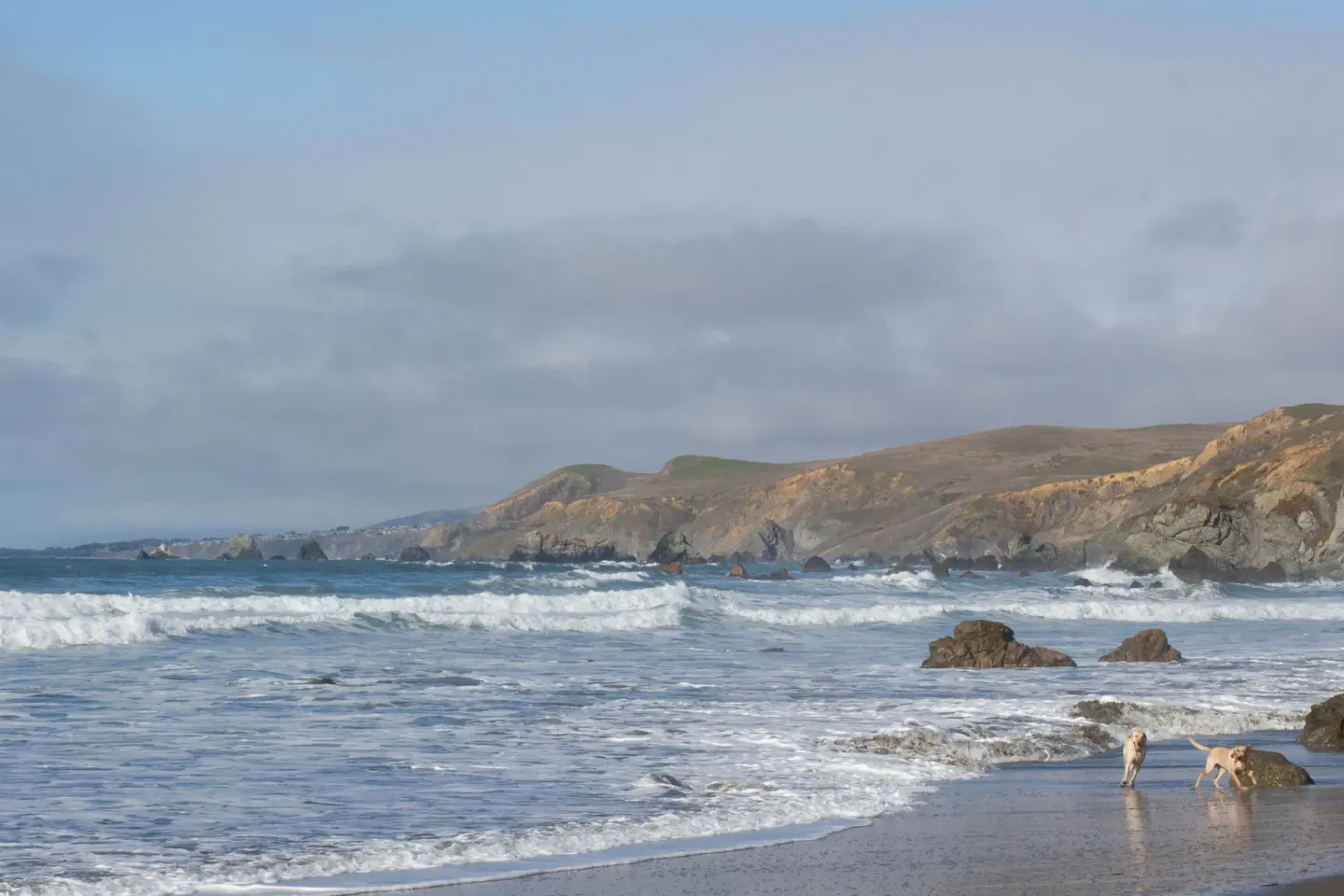
Spring (March–May): variable weather, good hiking windows
March can still be rainy; April and May trend toward drier, with mornings clearer than summer. Spring is a fine time for nearby hikes (Point Reyes trails) when wildflowers start to appear and crowds are lower than summer.
If you plan outdoor activities, watch the short-term forecast and pack layers: coastal mornings can be cool, and weather can shift during the day.
- Good for: hiking, quieter stays, early-season wildlife
- Weather: mix of sun and showers — plan flexible outdoor days
- Bring: fleece, windproof layer, and a light rain jacket
| Month | Typical character |
|---|---|
| March | Still rainy at times |
| April–May | Increasingly dry, more sun |
Summer (June–August): activity season with marine layer
Summer offers long daylight and many seasonal activities: surf and wetsuit rentals, paddleboarding or kayaking on Tomales Bay, and bioluminescence kayak tours that peak in July and August. However, morning fog (marine layer) is common, especially July, and may persist into afternoons.
Expect daytime highs typically in the low 60s; none of the resort accommodations have air conditioning, so plan around cool coastal conditions and ocean breezes.
- Good for: surfing, wind sports, kayak tours (bioluminescence in Jul–Aug)
- Know: frequent morning fog — afternoons can clear but not always
- Bring: wetsuit for surfing or cold-water activities, layers for foggy mornings
| Tip | Why it matters |
|---|---|
| Book activities early | Popular rentals and kayak tours fill faster in summer |
| Expect cool evenings | Plan warm layers for beach bonfires and patio dining |

Fall (September–October): clearest, warmest coastal weather
September and October are the warmest and clearest months on the Marin coast as the marine layer retreats; daytime highs often reach the upper 60s to low 70s and surf and hiking conditions are typically at their best.
If you want the most reliable beach weather, smaller crowds than peak summer, and cleaner swell for surfing, target early fall for your stay.
- Best for: classic beach weather, clear coastal hikes, better surf with offshore winds
- Activities: ideal time for Point Reyes hikes and oyster/seafood day trips (Marshall/Hog Island)
- Dining: Coastal Kitchen has regular weekend hours but check for seasonal changes
| Month | Why visit |
|---|---|
| September | Warm, clearer skies; best overall coastal weather |
| October | Continues clear and warm; good hiking and surf |

November: crab season and shoulder-season tradeoffs
November opens Dungeness crab season (first Saturday of November) in the region, which can be a draw for seafood-focused visitors and makes nearby restaurants and markets lively.
Weather heads toward wet winter conditions, and daylight shortens — plan around potential rain and check Coastal Kitchen hours and event calendars.
- Good for: seafood-focused trips (Dungeness crab season begins early November)
- Expect: cooler, increasing probability of rain as winter approaches
- Tip: reserve lodging early if you want to combine crab season with a weekend stay
| Consideration | Notes |
|---|---|
| Seafood & oyster trips | Local oyster farms operate year-round; crab season is a seasonal highlight |
| Crowds | Lower than summer; holiday weekends may be busier |
Practical travel tips: rooms, dining, pets, and logistics
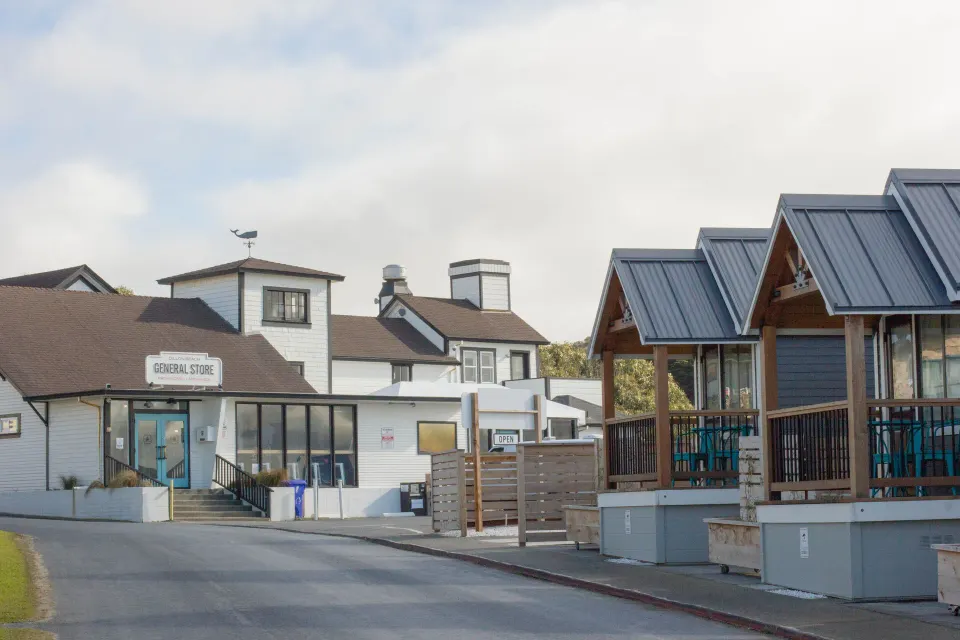
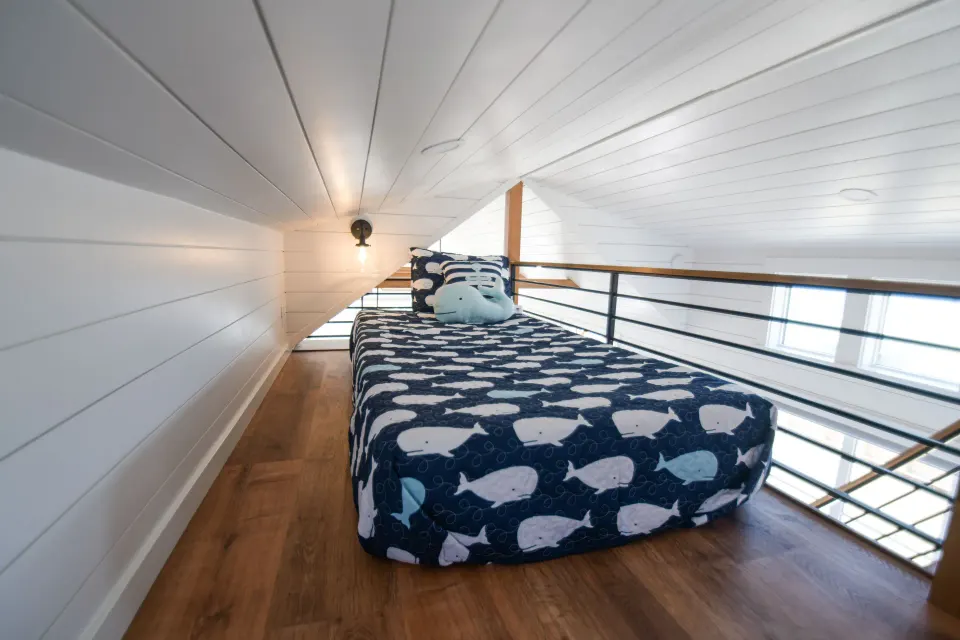
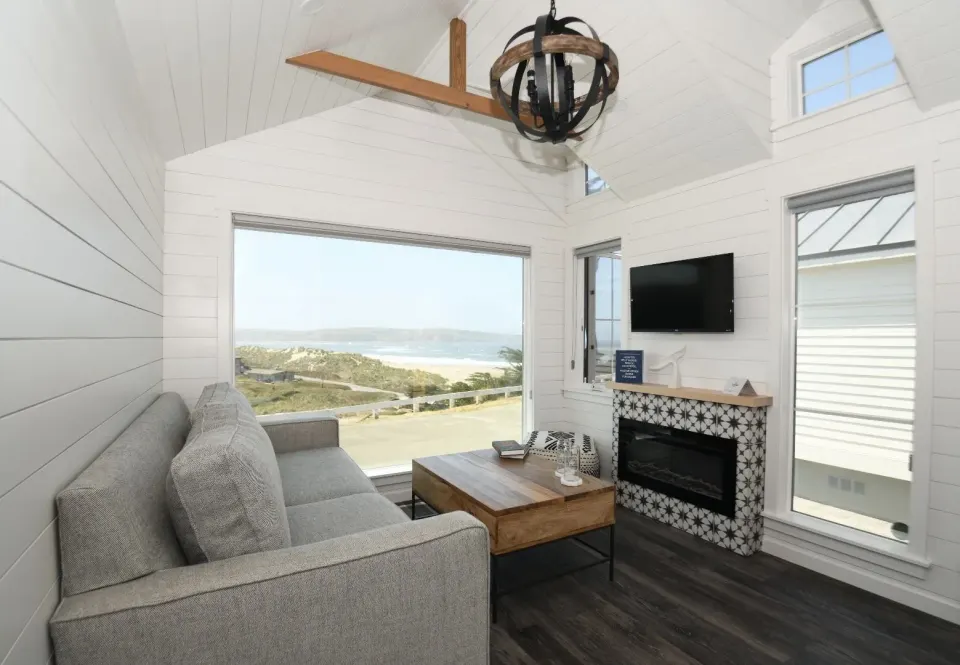
Dillon Beach Resort offers tiny homes and cottages with kitchen/kitchenette options; room types include Coastal Cabin, Coho Cottage, Sweetwater Cottage, Cypress Cottage, and Sandpiper Cottage — many units include private patios and kitchens. None of the accommodations have air conditioning.
The on-site restaurant is Dillon Beach Coastal Kitchen (no breakfast service), and an Equator Coffee Bar and general store provide pastries, groceries, surf rentals, and essentials. The property has no front desk: guests receive email check-in instructions and use a private entrance.
- Pets: dogs are allowed (one dog over 20 lbs or two small dogs under 20 lbs per unit) with a nonrefundable pet fee; cats are not permitted — check the resort site for current pet rules.
- Check-in: standard window is 4:00 PM–7:30 PM and check-out by 11:00 AM; room keys are issued only to registered adults per house rules.
- Getting there: driving is the practical option — there is no public transit to Dillon Beach; nearest regional airport is STS (about 35 miles).
- Parking & EV: parking policies vary by source; the resort offers EV charging and self-parking — confirm details before arrival.
| Question | Short answer |
|---|---|
| Are kids allowed? | Yes — well-behaved children of all ages are welcome; children 12 and under stay free sharing existing bedding |
| Is there a pool or spa? | No — the property does not have a pool, spa, or fitness center |
| Is the beach private? | Yes — guests have direct access to an almost mile-long private beach |